CONSTRUCTION MACHINERY
Mechanized equipment for your
construction operations
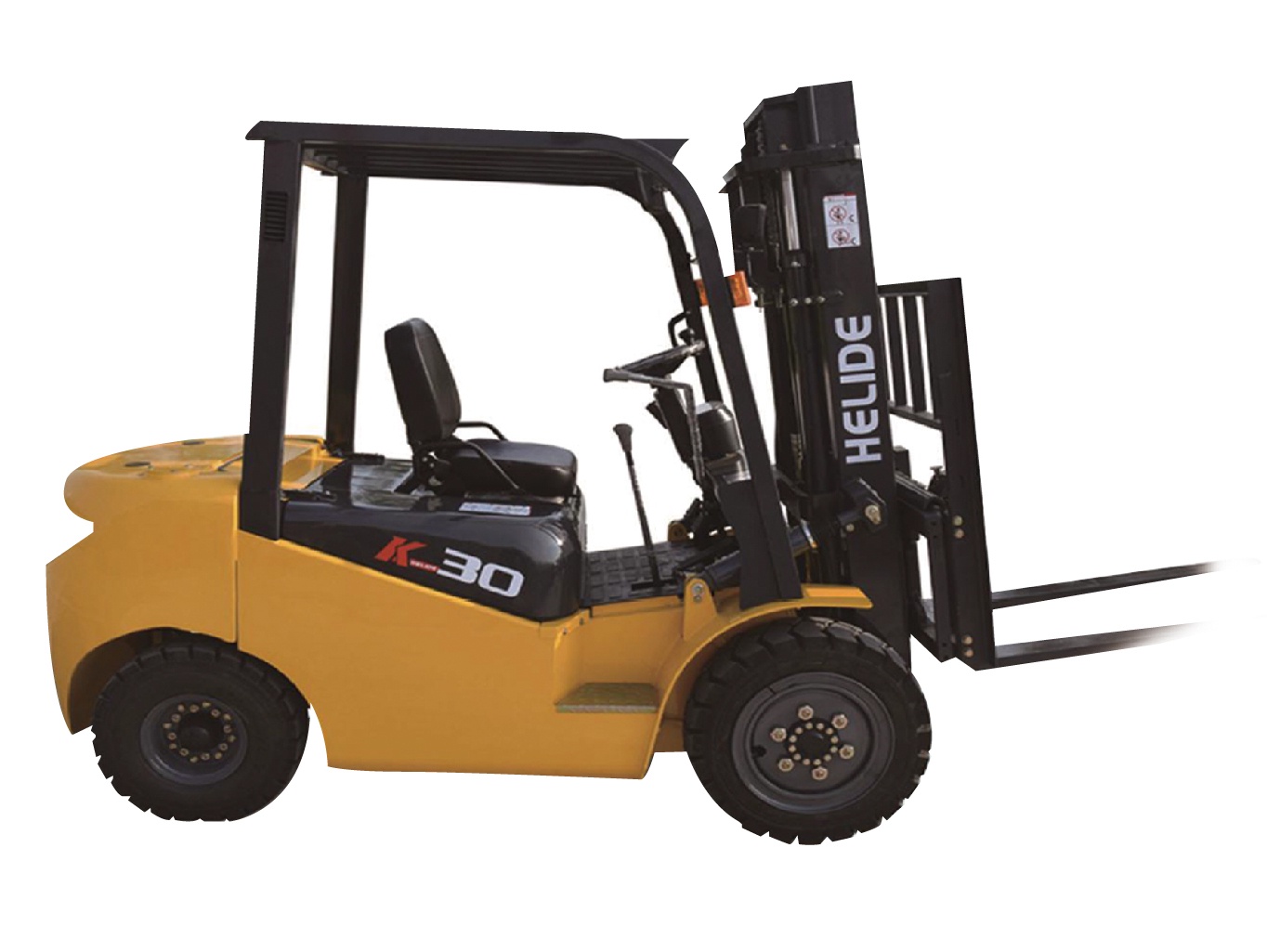
orklift bearing is a very important hardware component used in forklift. Forklift bearing plays an irreplaceable role in the work of forklift. Forklift bearings are different from ordinary bearings. They are better than ordinary bearings in terms of manufacturing, bearing materials and performance. Industrial handling vehicles are widely used in ports, stations, airports, freight yards, factory workshops, warehouses, distribution centers, distribution centers, etc., and can enter the cabins, carriages and containers for loading, unloading and handling of pallet goods. It is an indispensable equipment for pallet transportation and container transportation. Forklift plays a very important role in the log-istics system of enterprises and is the main force of material handling equipment.
All heavy equipment relies on moving parts that slide or rotate around each other. To reduce friction between moving parts, special components called bearings are used in strategic locations throughout a machine’s design. Bearings reduce wear between moving parts and allow machines to work more efficiently. Without bearings, modern machines would be unable to function. The most common type of bearings are ball bearings. As their name suggests, ball bearings feature two concentric rings that spin around each other on a series of steel balls, which sit in a track between the two rings. The spinning action of the steel balls helps the concentric rings spin around each other freely, reducing friction to a minimum. While ball bearings are the most common, they aren’t the only type of bearing found in heavy equipment. There exists a wide array of bearings used for different purposes in modern heavy equipment. In this guide, we’ll take a look at the different types of bearings used in construction machinery. By understanding the types of bearings available, as well as their functions and maintenance requirements, you’ll be well-equipped to choose the best bearings for your machine.
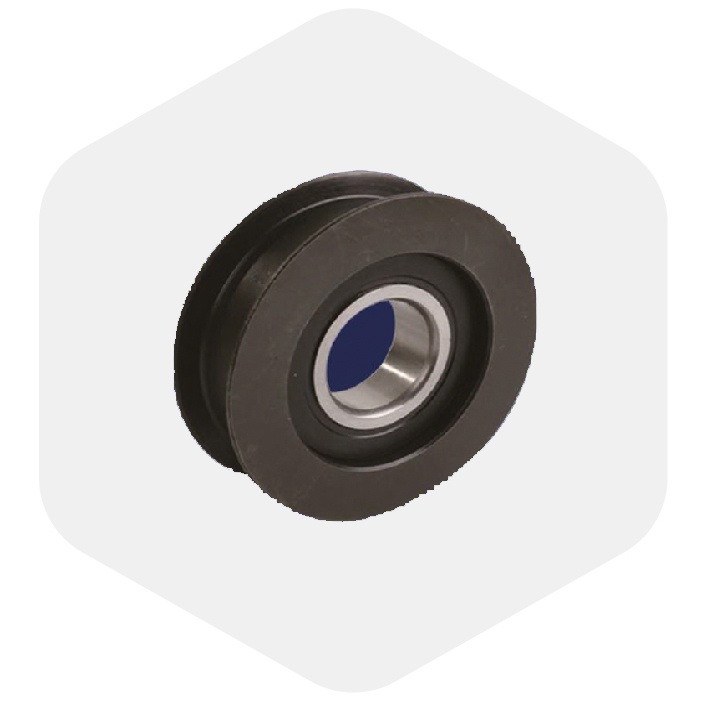
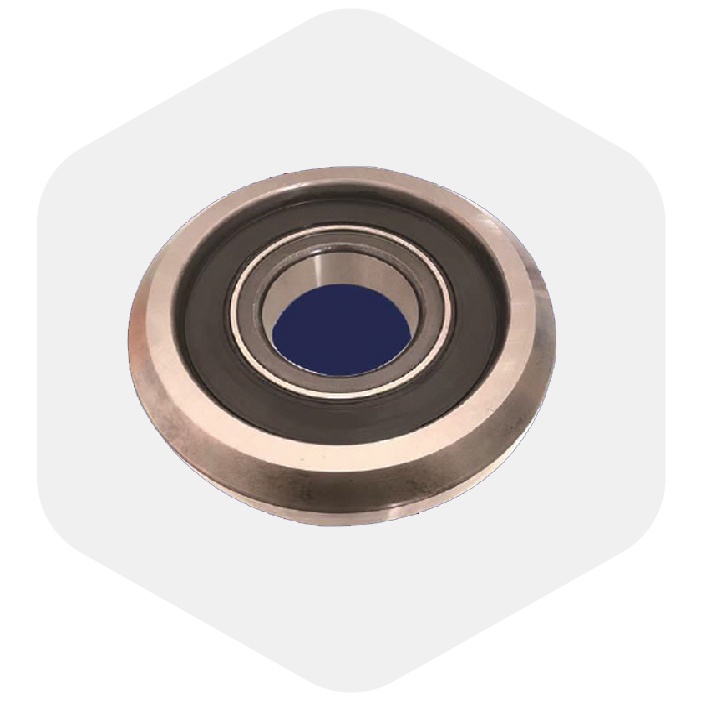
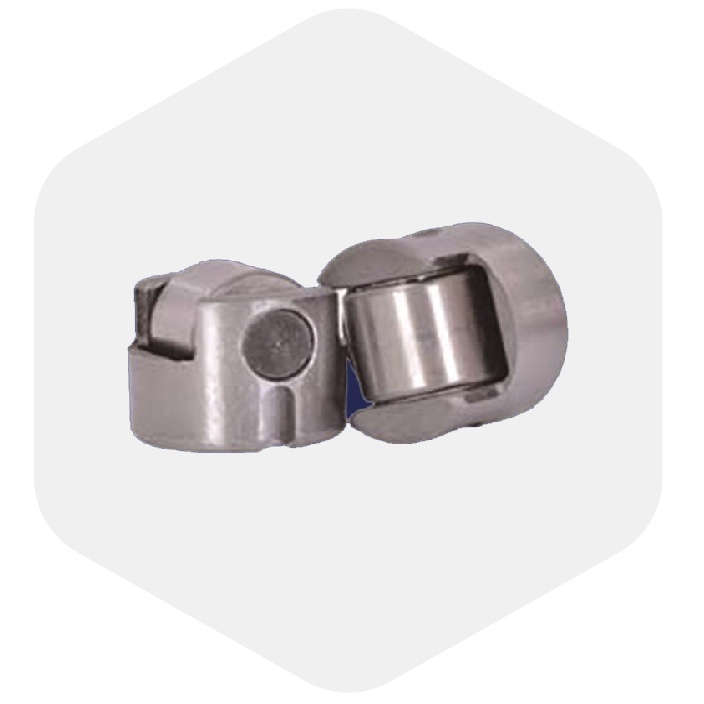
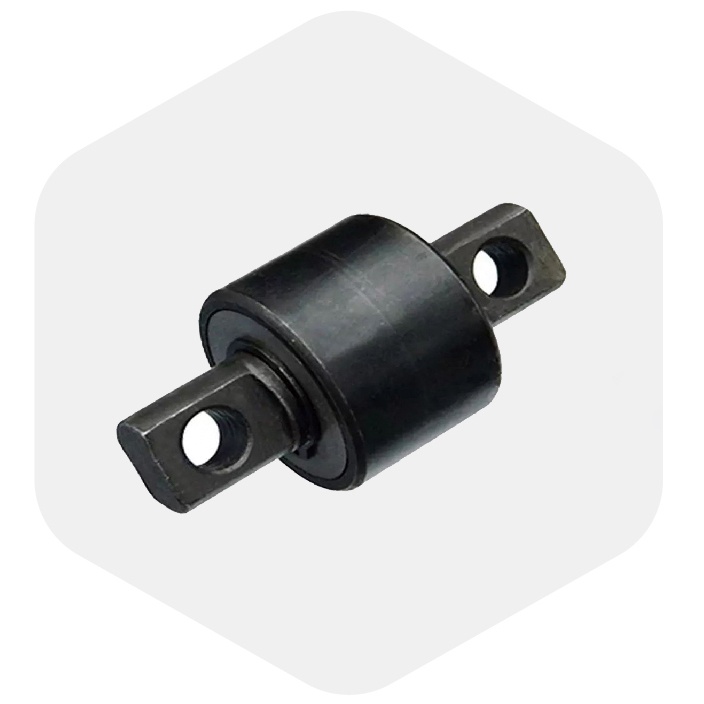
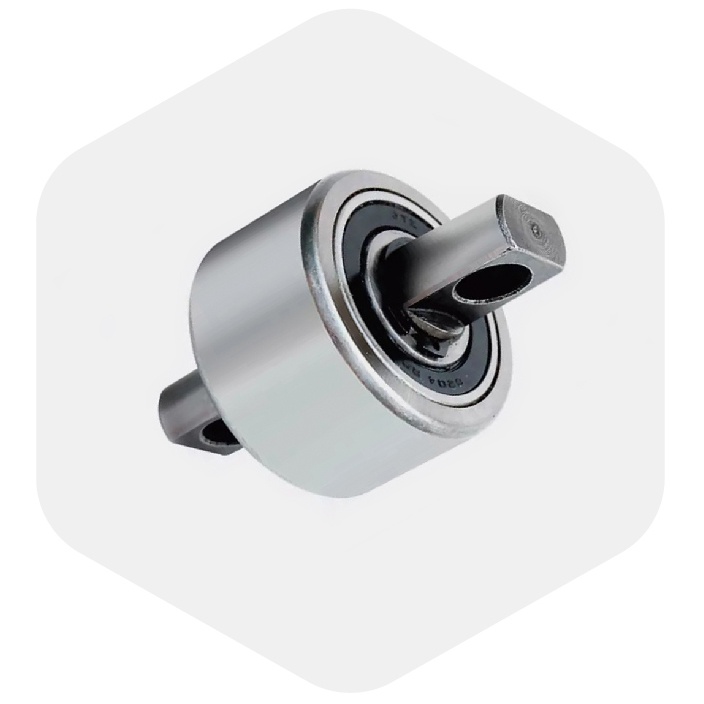
BEARINGS FOR CONSTRUCTION EQUIPMENT
Bearings can be found in nearly all types of construction equipment, although not all types of bearings are used in every machine. Whenever two components need to rotate around each other in a spinning motion, bearings are typically found. Some heavy equipment components that utilize bearings include: Motors Final drives Hydraulic pump Transmissions Axles Torque converters Speed reducers Wheels.
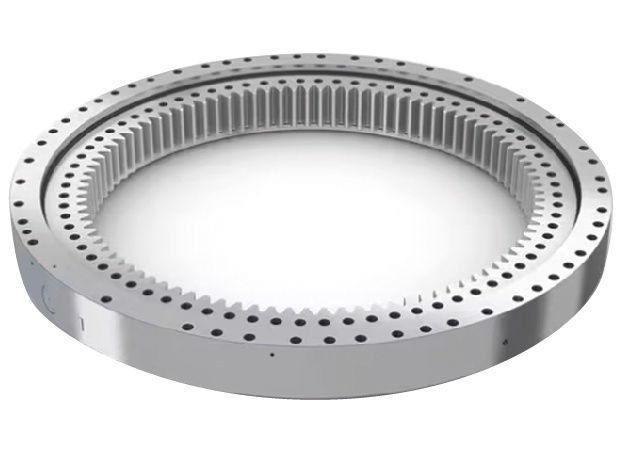
In addition, machines that feature large, rotating components commonly use bearings. For example, the operator cabin of an excavator is connected to the excavator’s undercarriage via a large slew bearing. This specially-designed bearing allows an excavator’s operator cabin to rotate freely atop the undercarriage 360o in any direction.
TYPES OF BEARINGS IN CONSTRUCTION EQUIPMENT
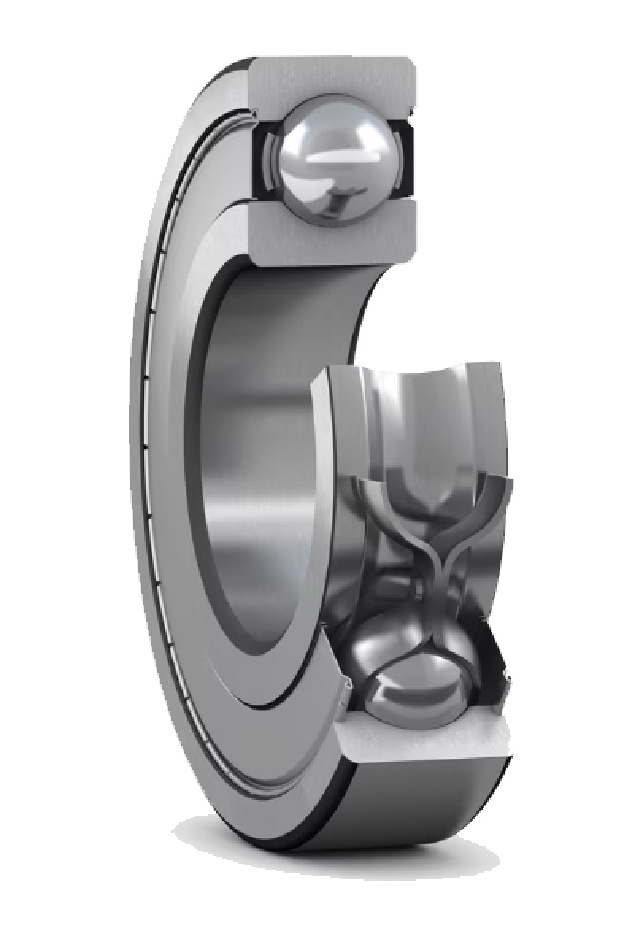
While there are countless types of bearings, some are more common than others. Here are the types of bearings most commonly used in construction equipment. Ball Bearings Ball bearings consist of inner and outer rings with spherical balls placed between them on races. They are known for their low-friction, high-speed capabilities and are commonly used due to their simple design and efficiency. Function: Ball bearings allow for smooth, low-friction rotational motion. The balls roll within the races, reducing friction and supporting axial and radial loads. Uses: Ball bearings are used in a wide range of heavy equipment, including excavators and bulldozers. They facilitate smooth rotation in machine parts like wheels, gears and shafts.
CYLINDRICAL BEARINGS
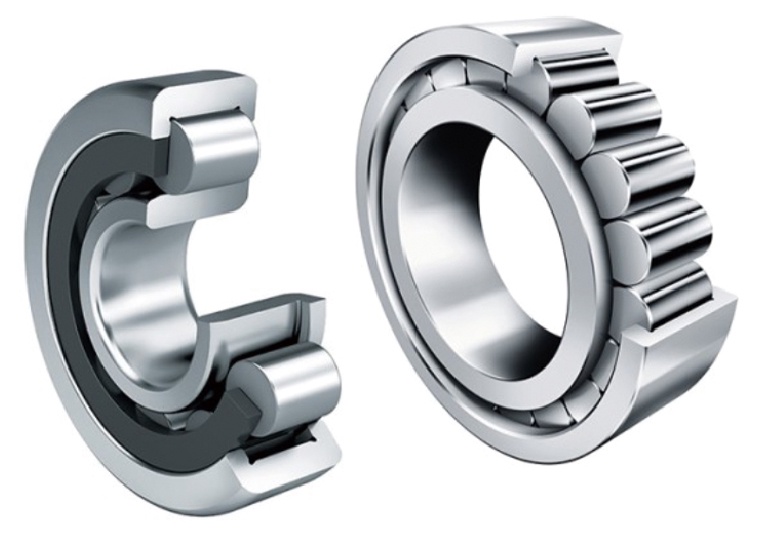
Cylindrical bearings have cylindrical-shaped rollers instead of balls, offering a larger contact area compared to ball bearings. They excel in load-carrying capacity. Function: These bearings handle radial loads effectively by distributing the load along the length of the rollers. They can also accommodate some axial loads. Uses: Cylindrical bearings are found in heavy equipment like cranes, where they support crane hooks and lift heavy loads.
SLEW BEARINGS
Slew bearings consist of large-diameter rings with integrated raceways. They're designed for rotational movement and are often quite large. Function: Slew bearings enable 360-degree rotation in machines, such as cranes, excavators, and wind turbines. Uses: Slew bearings are essential components in heavy machinery requiring continuous, full-circle rotation, like cranes and excavators.
NEEDLE BEARINGS
Needle bearings use long, thin cylinders (needles) as rolling elements, offering high load-carrying capacity in a compact design. Function: Needle bearings excel in high-load, low-speed applications and are particularly suitable for radial loads. Uses: Heavy machinery with compact designs, such as skid steers, often use needle bearings.
JOINT BEARINGS
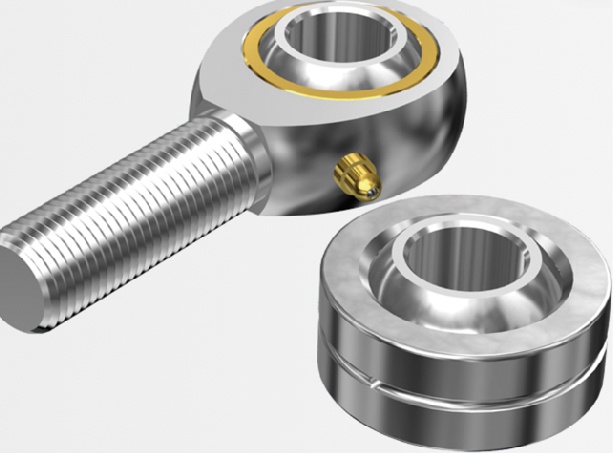
Joint bearings, also known as rod ends, have a spherical inner ring with an outer ring or housing. They allow articulation in various directions. Function: Joint bearings accommodate oscillating, tilting and rotating movements in construction equipment components like hydraulic cylinders, steering linkages and suspension systems. Uses: They are used in equipment requiring flexible and multi-directional movement, such as articulated dump trucks and backhoes.
BEARING MAINTENANCE FOR HEAVY EQUIPMENT
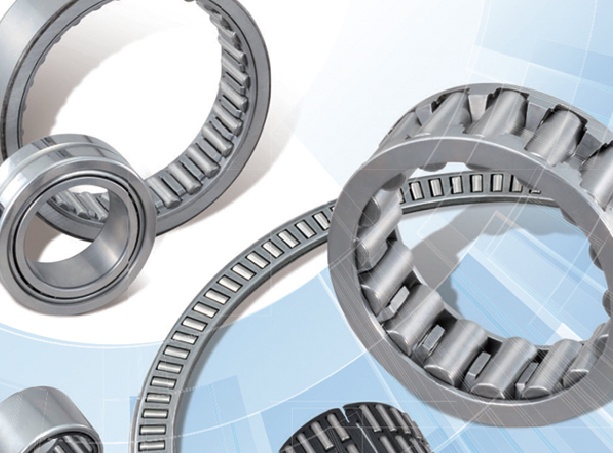
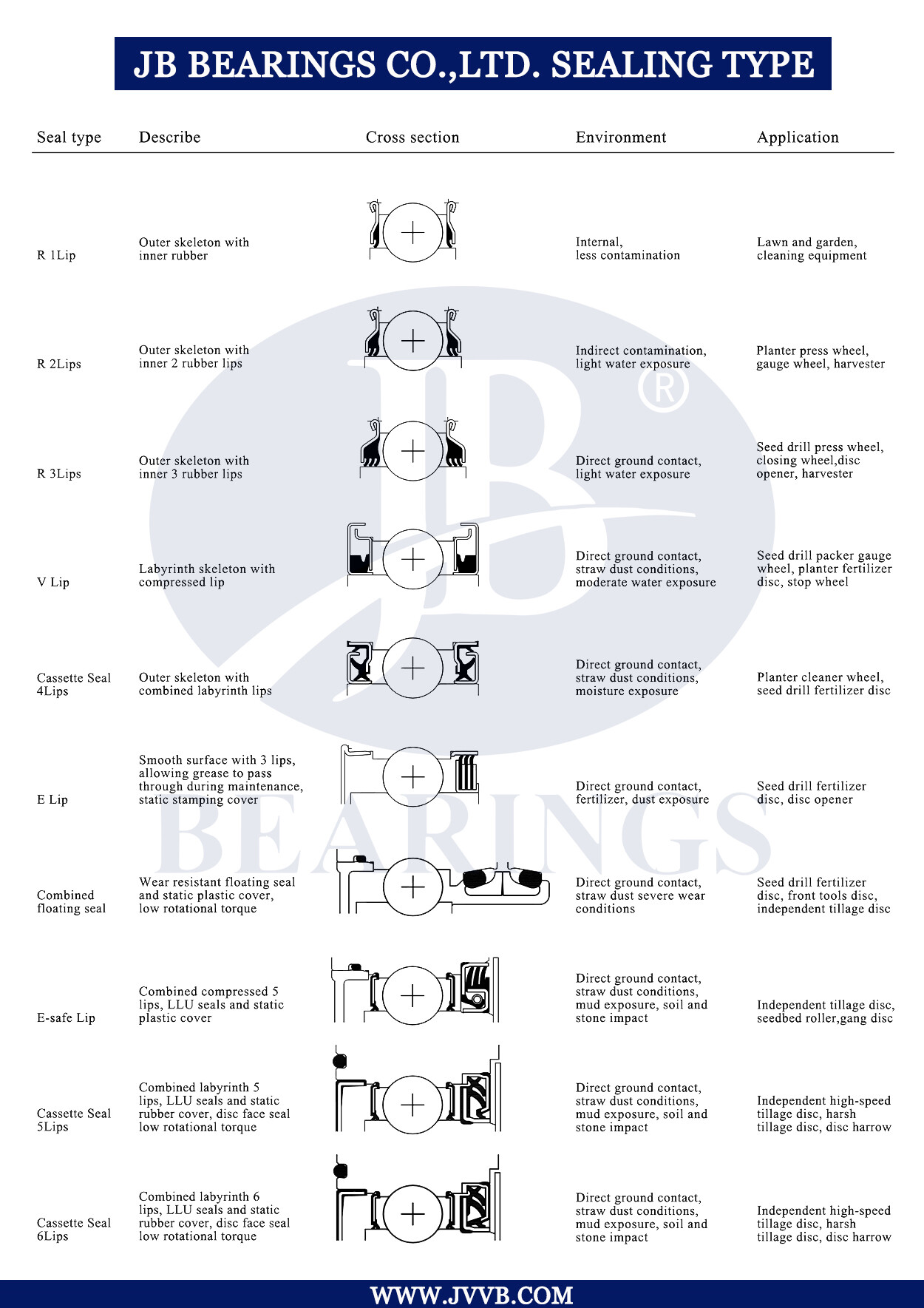
Not all heavy equipment bearings need to be lubricated regularly, but many do. A bearing’s lubrication requirements will depend on the bearing type and its location, as well as its design. Some bearings are sealed or pre-lubricated, while others require ongoing lubrication. The type of lubricant to use depends on the bearing type and the manufacturer’s recommendations. Commonly, bearings are lubricated using either oil or grease. Oil is used in bearings with high-speed applications, while grease is the general solution preferred for most heavy equipment applications. Since the choice of lubricant tends to vary by the type of bearing and machine, it’s crucial to consult the equipment’s manual and follow the manufacturer’s guidelines for specific recommendations. Failing to properly maintain your machine’s bearings may lead to a host of problems such as reduced equipment lifespan, increased friction and wear, contamination of the bearings, excess noise and vibration, and even safety risks.
Choosing the Right Bearings for Your Machine
Choosing the right replacement bearing for your machine is critical to ensure optimal performance. Here are some key factors to consider when selecting a replacement bearing for your machine: Bearing type, shape and size Load and speed rating Operating environment Lubrication requirements Sealing and protection features Quality and brand By keeping these factors in mind, you can select the right replacement bearing that meets your equipment’s needs and ensures efficient operation.
LEAVE US A MESSAGE
If you have any questions, please fill out the form to contact us, and our customer service will reply to you within 24 hours!