Forging
Forging temperature is the temperature at which a metal becomes substantially more soft,but is lower than the melting temperature, such that it can be reshaped by forging.
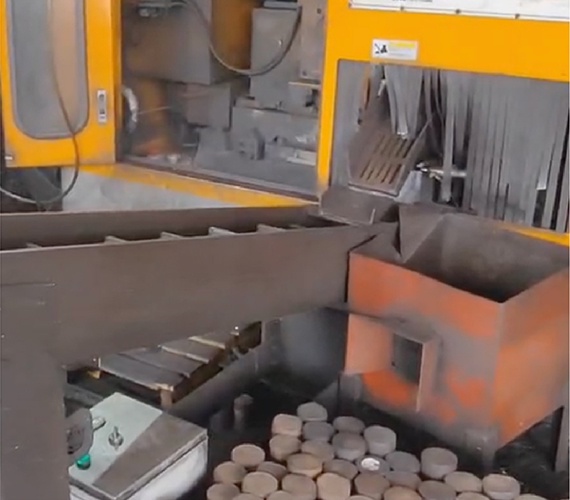
Steel bar cutting for forging involves segmenting long bar into precise "billets" or "slugs" of the correct weight and length.The primary methods used are cold shearing, sawing, hotshear-ing, and abrasive cutting. The choice depends on the material's hardness, volume requirements, and tolerance specifications.
Steel bar forging based on a mould innvolves heating steel bar stock to malleability(850C to 1150C)and pressing or hammering it into a specialized die (mould). This process aligns the metal's grain structure, producing high-strength, durable components.
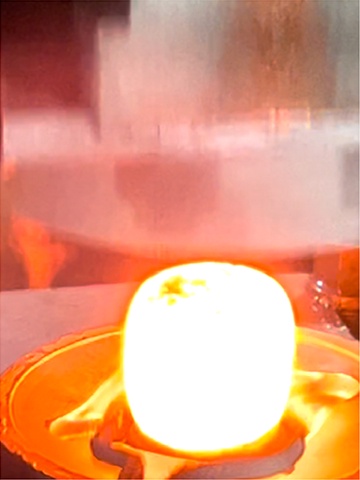
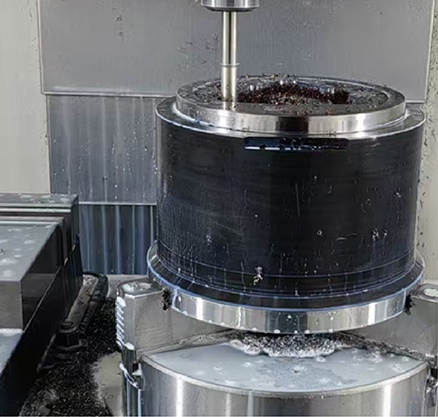
Producing an agricultural (AGRl) hub housing through closed-die hot forging requires shaping pre-heated metal billets into highly durable, structural components. This method improves the mechanical integrity of the hubcompared to casting by eliminating internal weak points and grain boundaries.
LEAVE US A MESSAGE
If you have any questions, please fill out the form to contact us, and our customer service will reply to you within 24 hours!